adjective
dormant
DOR-munt/ˈdɔːrmənt/
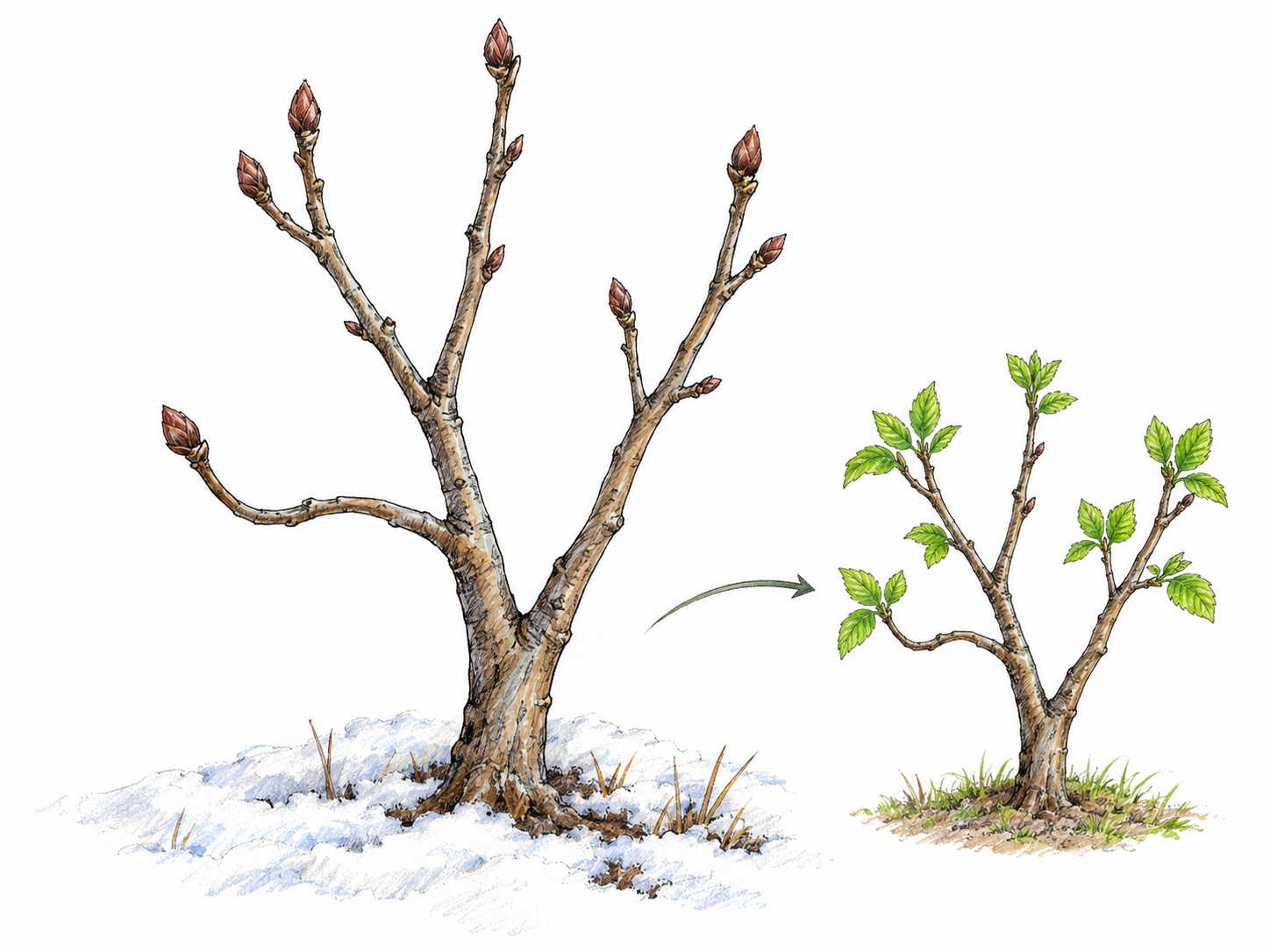
Temporarily inactive but capable of becoming active.
Many garden plants lie dormant until warmer weather returns.
Etymology
The pieces mean “sleeping.” Sleep supplies the image for inactivity that need not be permanent: something dormant is at rest but can become active again.
In context
Potentially, VCJD can lie dormant in your body for many years. As such, some countries have bans on British citizens donating blood if they live during the crisis.
More examples
- These seeds can remain dormant for years before sprouting.
- The volcano is dormant, but scientists monitor it for renewed activity.
- She starts using her dormant account again.
Forms
dormant
dormancy noun — Temporary inactivity with the potential for reactivation.
Similar words
- inactive
- Inactive does not necessarily suggest a future return to activity.
- latent
- Latent emphasizes being present but not yet apparent or expressed.