noun
dysphoria
dis-FOR-ee-uh/dɪsˈfɔːriə/
A state of deep emotional unease or dissatisfaction.
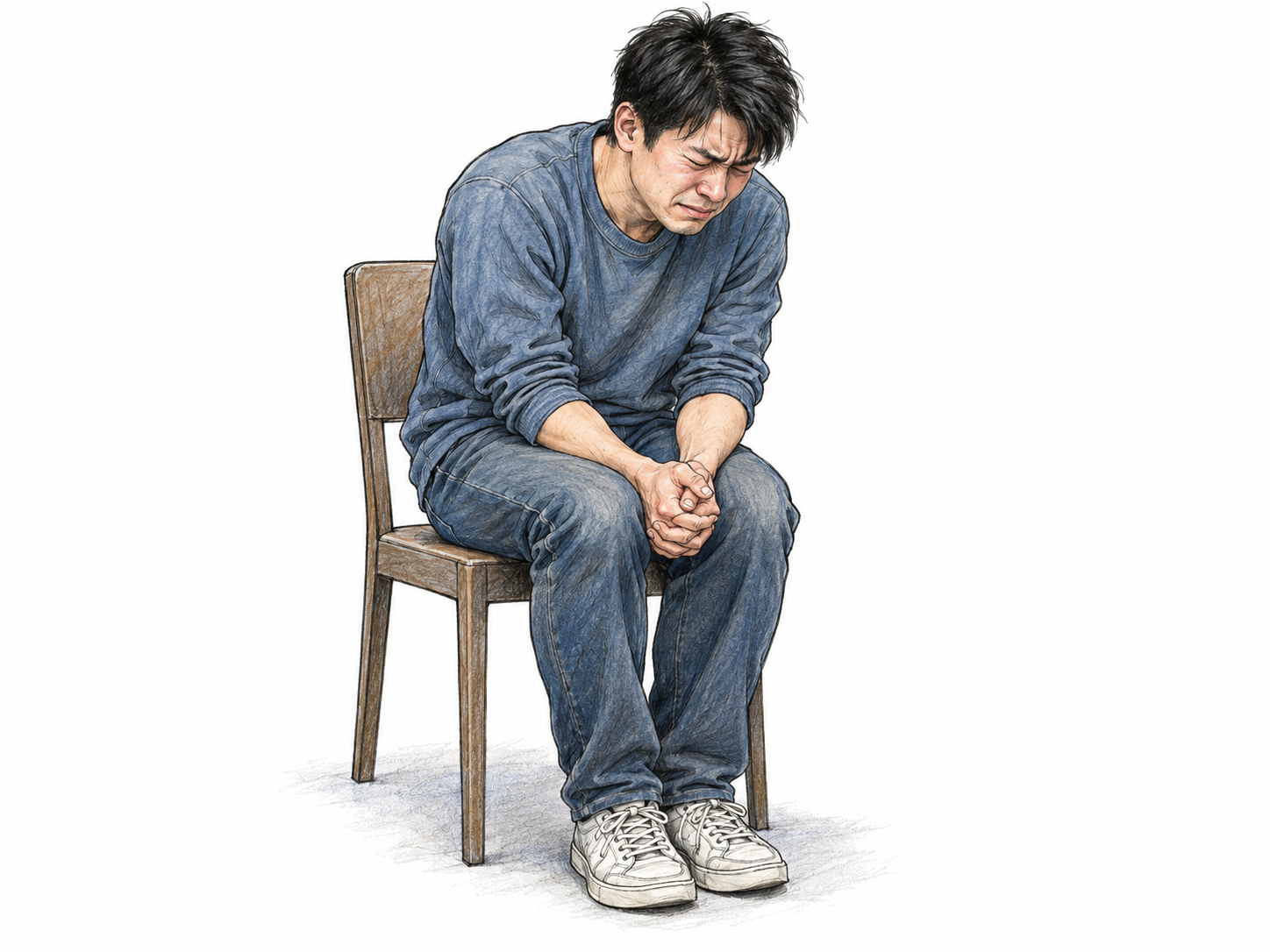
The man's dysphoria shows in his anguished expression and tense, hunched posture.
Etymology
The pieces evoke something “hard to bear.” Greek dysphoria described anguish or pain difficult to endure, connecting the image of bearing a burden with deep emotional distress.
In context
it causes symptoms it impairs your functioning in a variety of settings including interpersonal relationships and it it reduces your satisfaction with yourself and with your life a state called dysphoria
More examples
- He struggles to explain his dysphoria to friends.
- The medication relieves her anxiety but does little for her dysphoria.
- His gender dysphoria eases when others use his chosen name.
Forms
dysphoric adjective — Feeling or marked by deep emotional unease.