noun
population
pah-pyuh-LAY-shuhn/ˌpɑːpjuˈleɪʃn/
The people or organisms inhabiting a particular area.
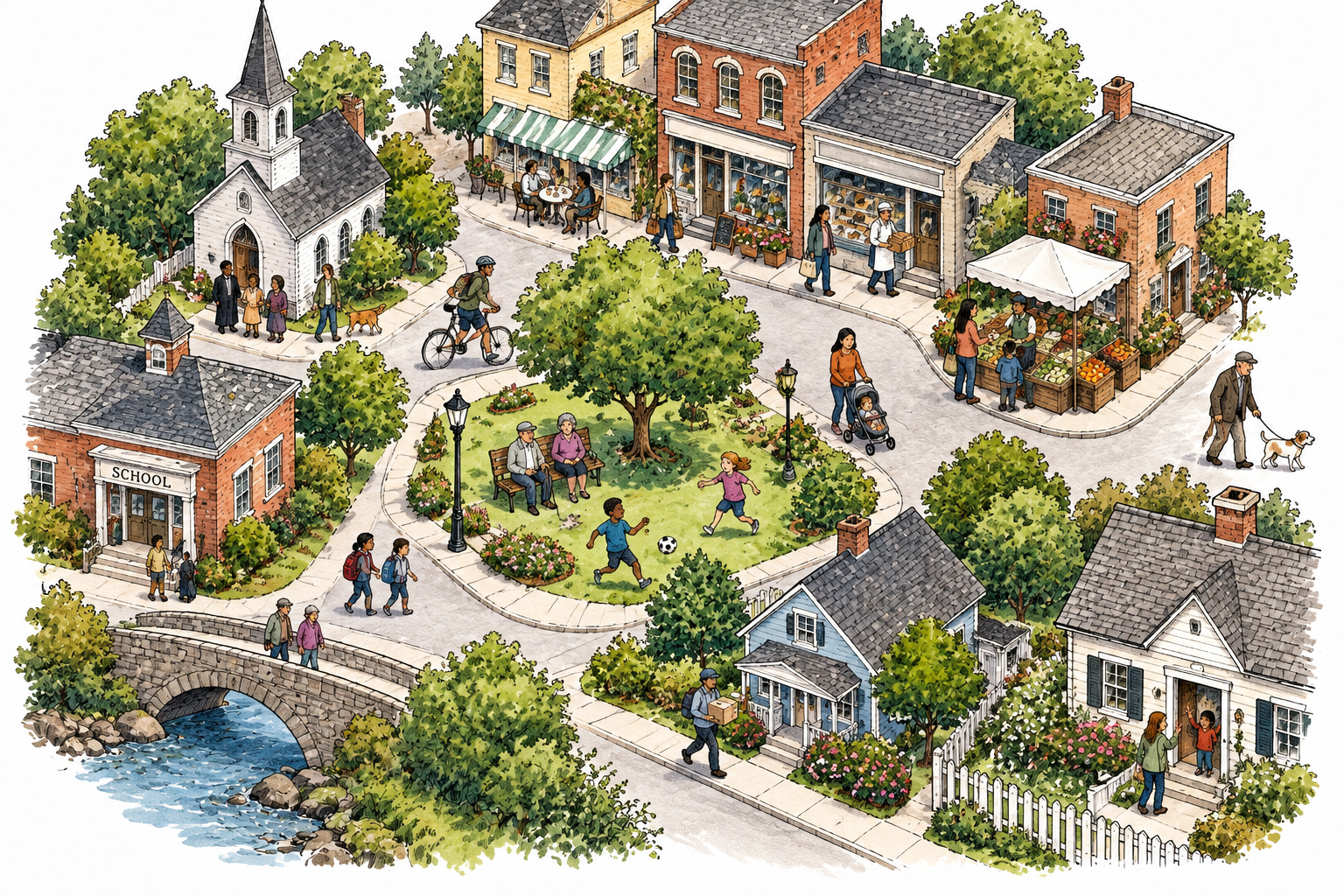
The town's population includes residents of many different ages.
Etymology
Latin populatio meant “a people” or “a multitude,” treating inhabitants as a collective body. That collective meaning underlies the English term for all the people—or other organisms—in a particular area.
In context
Vatican City comprises only 121 acres and has a total population of 453 people it is the smallest state in the world in terms of area and population
More examples
- The city has a population of nearly two million.
- Scientists track changes in the lake's fish population.
- The study compares rural and urban populations.
Forms
Similar words
- inhabitants
- Emphasizes who lives somewhere rather than how many live there.
- residents
- Usually refers to people who live somewhere, not other organisms.