noun
apocalypse
uh-PAH-kuh-lips/əˈpɑːkəlɪps/
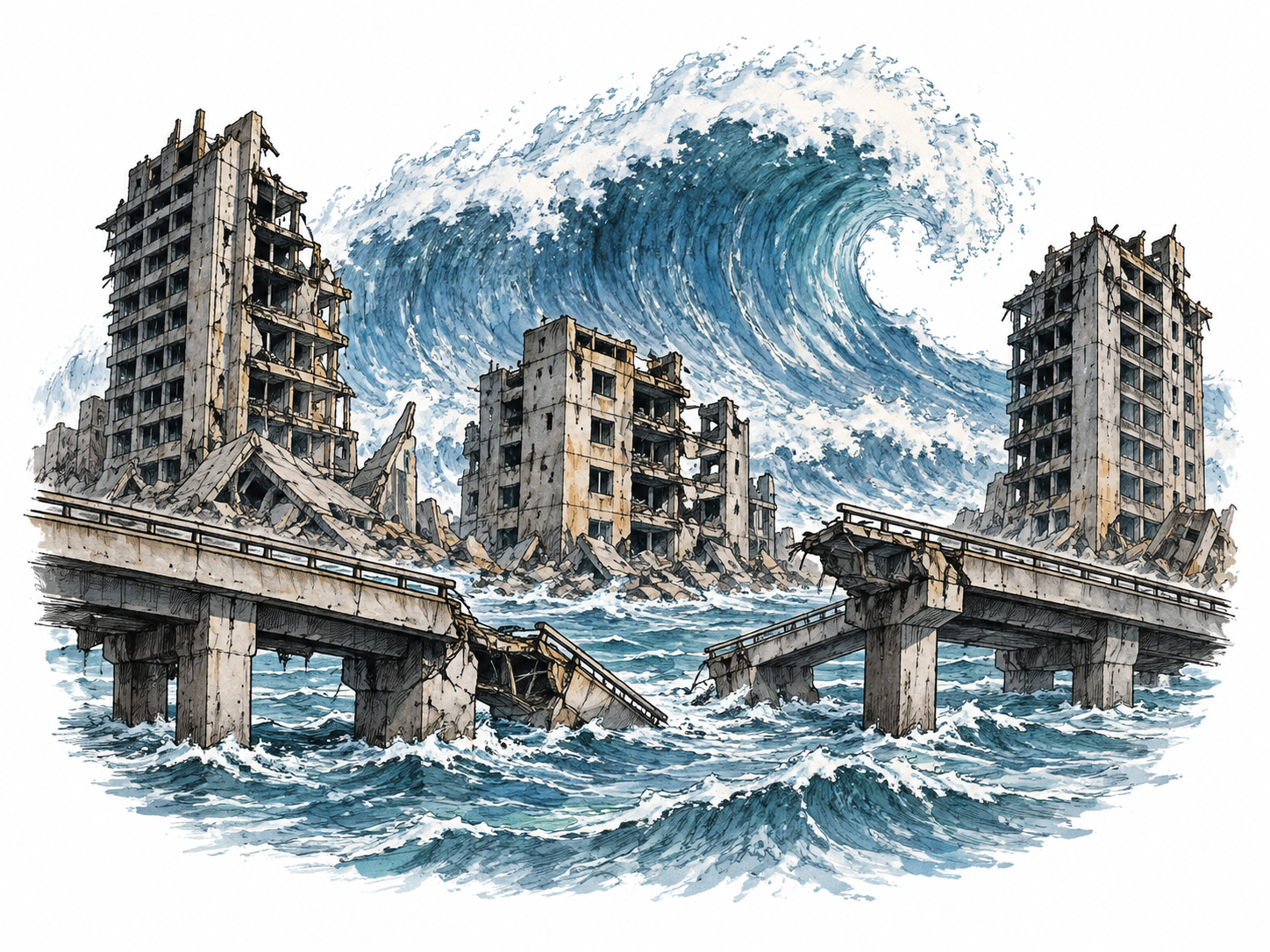
A catastrophe that destroys a world or causes a society to collapse.
The city lies shattered after the apocalypse.
Etymology
Taking a covering away gives the original sense, “revelation.” Through interpretations of the biblical Revelation as describing the world's violent end, the word came to mean a catastrophic event.
In context
a massive pandemic kills off half the world, or there's a zombie apocalypse, after an initial spike, those healthcare costs are gonna fall.
More examples
- The novel imagined a global apocalypse.
- Its survivors rebuilt after the apocalypse.
- Several films portrayed different apocalypses.
Forms
apocalypse · apocalypses
Similar words
- catastrophe
- Need not destroy an entire society or world.
- disaster
- Covers severe harm on a smaller scale too.