noun
aristocrat
uh-RIS-tuh-krat/əˈrɪstəkræt/
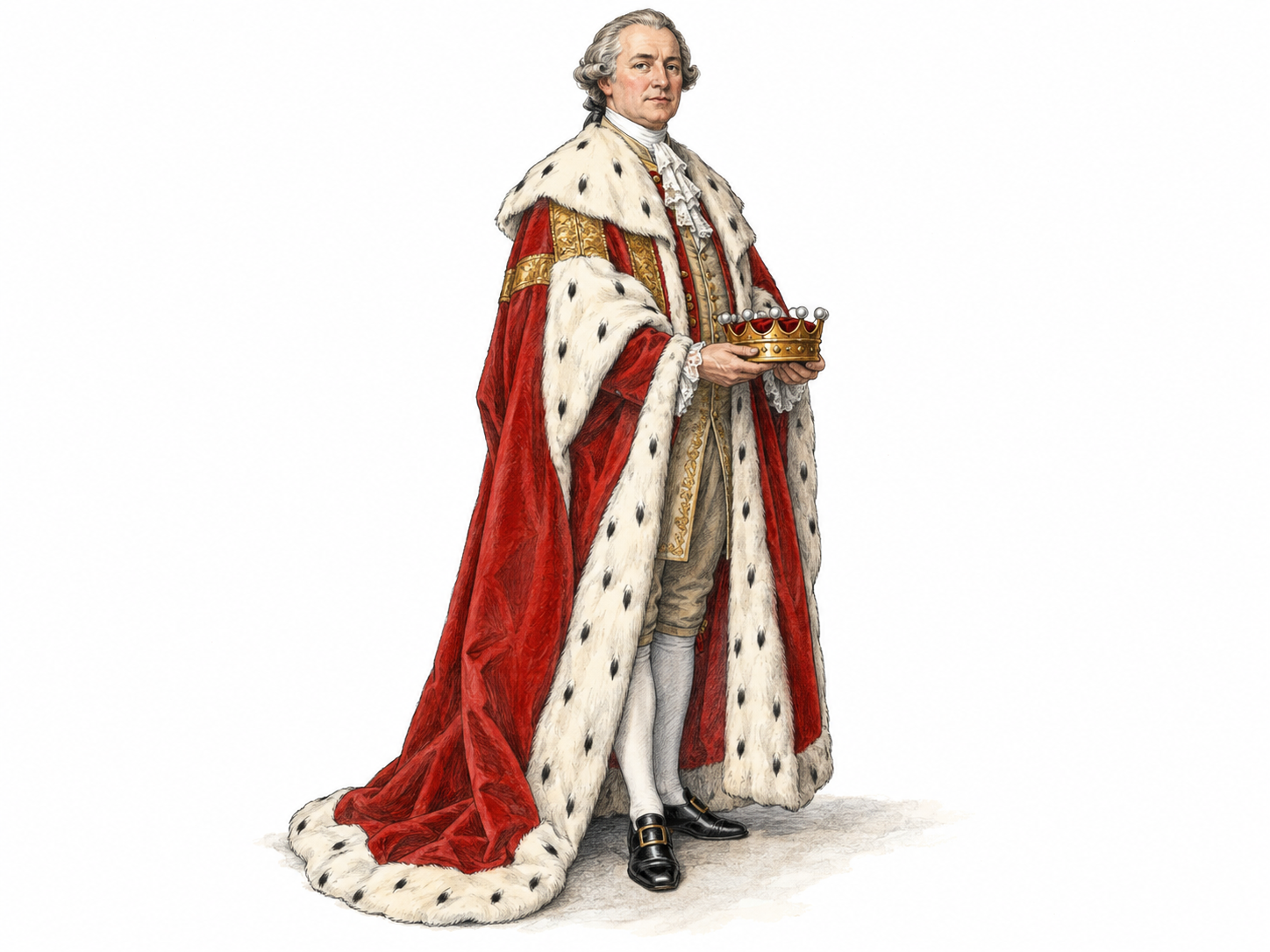
A person belonging to a noble or privileged social class.
The young aristocrat inherits a title and a large country estate.
Etymology
“Best” and “rule” originally described government by the best citizens. As “best” came to mean privileged by birth or wealth, an aristocrat became a member of that upper class.
In context
of the Great Siege. They were no longer required to be hardened warriors. Instead, the order became a finishing school for the younger sons of Europe's noblest families. A young aristocrat would come to Malta
More examples
- The portrait depicts an aristocrat in formal dress.
- Several aristocrats supported the reform movement.
- She rejected the privileges expected of an aristocrat.
Forms
aristocrat · aristocrats