adjective / noun
entire
en-TYRE/ɪnˈtaɪər/
Complete, with no part removed or missing.
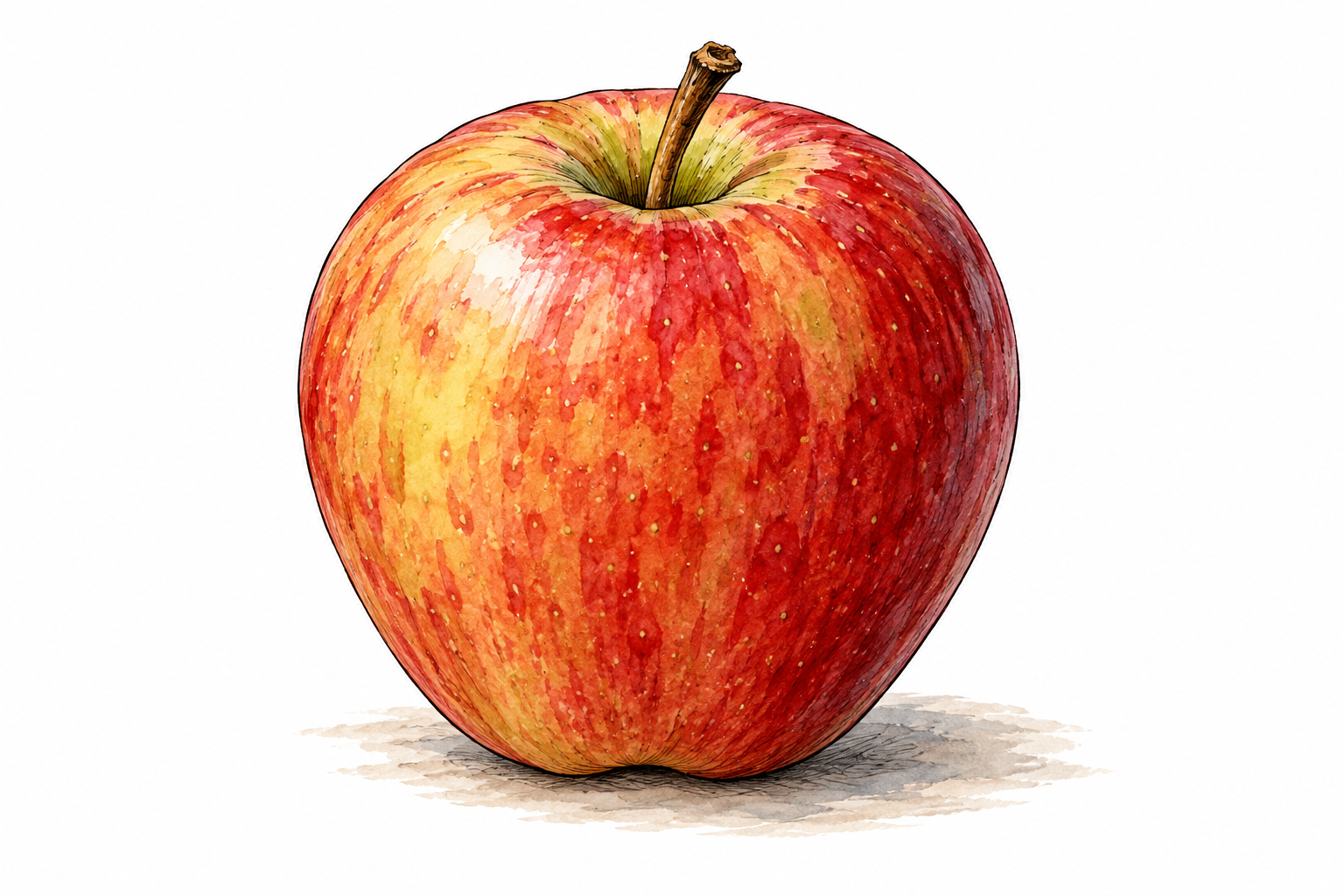
The entire apple remains intact, from its stem to its base.
Etymology
The roots mean “not touched”: Latin integer described something intact or whole. Entire preserves that idea of completeness, with nothing missing from the whole.
In context
it turns out to be the whole thing. The entire difference between the two comes down to how each one handled the word of God.
More examples
- Please read the entire document before you sign.
- She spends her entire paycheck on rent and groceries.
- This small heater keeps the entire room warm.