noun
paralysis
puh-RAL-uh-sis/pəˈræləsɪs/
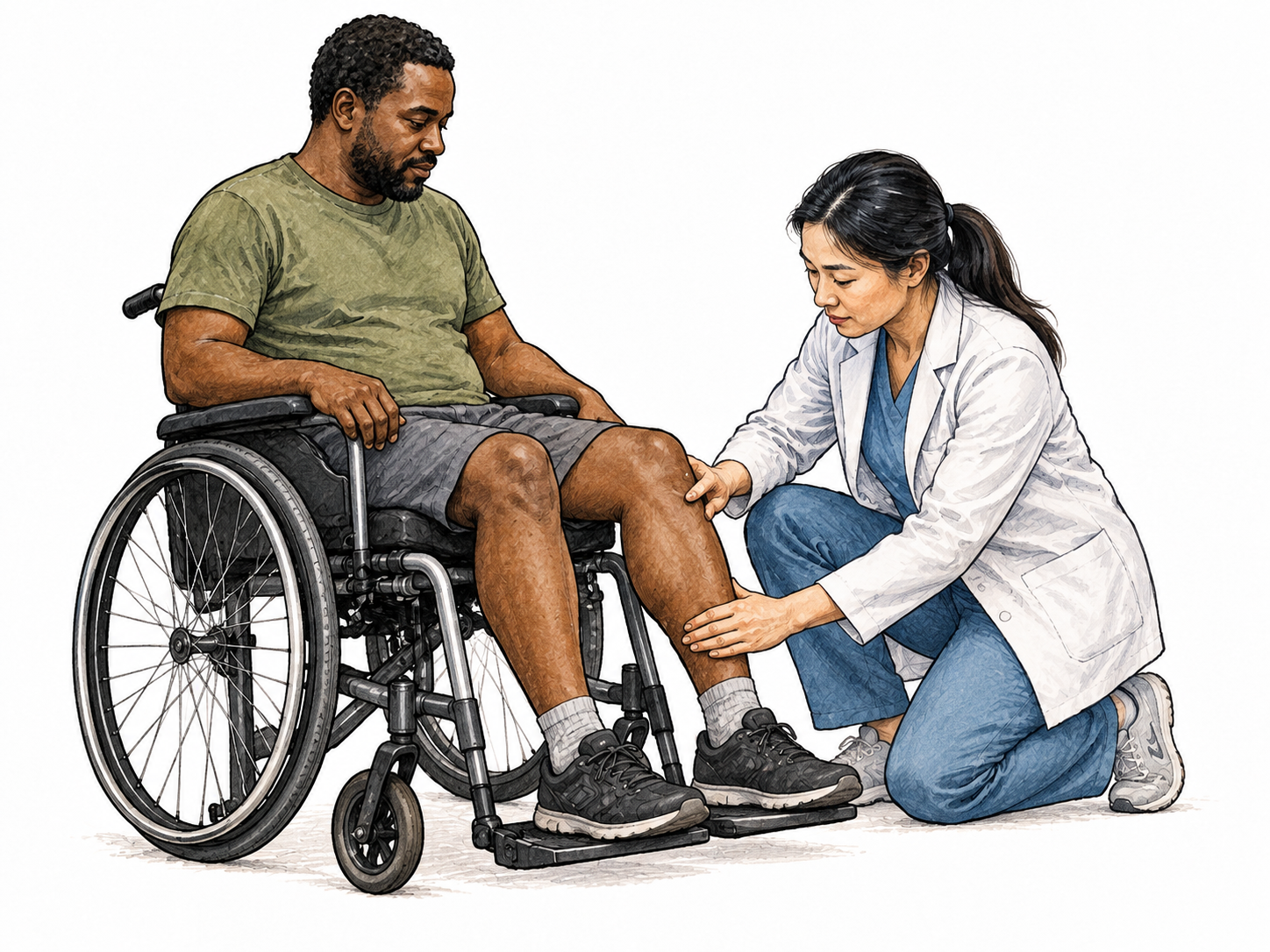
Loss of the ability to move part or all of the body.
The injury causes paralysis in both of his legs.
Etymology
Greek para- and lyein formed a verb meaning “disable, enfeeble”; the related noun literally meant “loosening.” This connects the name with weakened bodily function and the loss of normal movement.
In context
they typically can open their eyes but are otherwise unable to move. On average, an episode only lasts several minutes. During an episode of sleep paralysis a person may also experience hallucinations
More examples
- She regains some movement after months of partial paralysis.
- Temporary paralysis can occur when a nerve is compressed.
- The doctor checks for signs of facial paralysis.
Forms
Similar words
- palsy
- Often names a specific condition involving paralysis or uncontrolled movement.
- immobility
- Means inability to move, including from restraint rather than illness.