noun
preservation
prez-ur-VAY-shun/ˌprezərˈveɪʃn/
The act of keeping something safe from damage, decay, or loss.
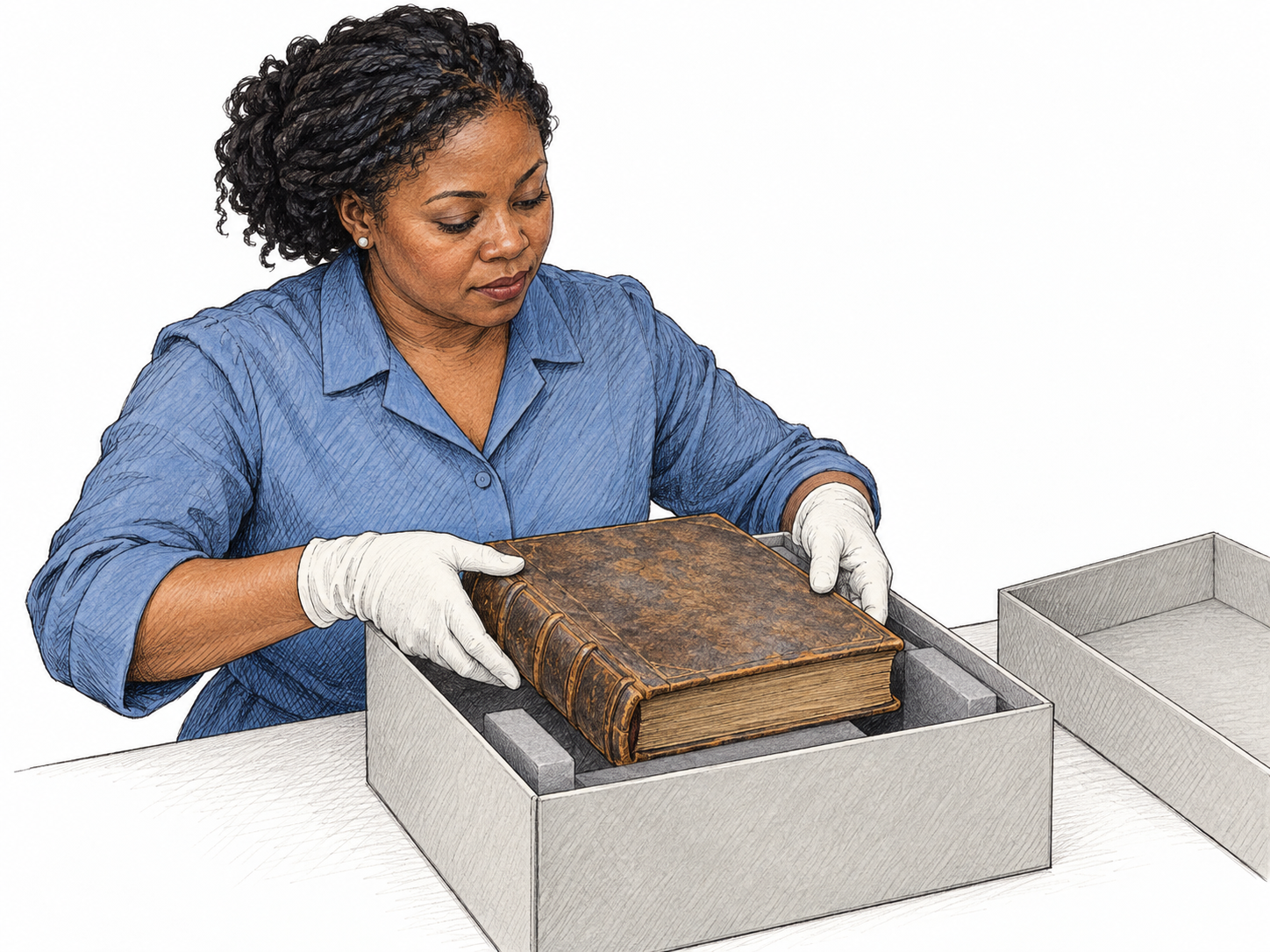
The fitted archival box supports the fragile book's preservation against further damage.
Etymology
‘Keeping safe beforehand’ emphasizes protection before harm occurs. Preservation first referred to protection from disease, then broadened to keeping things safe or sound, including protecting them from damage or decay.
In context
however formaldahyde can also cause some damage to nucleic acids making it less ideal for preserving genetic material when compared to other preservation techniques such as freezing or ethanol-based fixation
More examples
- Refrigeration is a common method of food preservation.
- The town raises money for the preservation of historic buildings.
- Wetland preservation protects essential habitats for birds and fish.
Forms
preservation
preserve verb — Keep something safe from damage or loss.
preservative noun — A substance that prevents decay or spoilage.
Similar words
- protection
- Emphasizes shielding from threats rather than preventing deterioration over time.
- conservation
- Often emphasizes careful management of natural resources or cultural objects.
- maintenance
- Emphasizes routine work needed to keep something in good condition.