noun / adjective
preservative
prih-ZUR-vuh-tiv/prizˈɝvʌtɪv/
A substance or quality that prevents spoilage, decay, or loss.
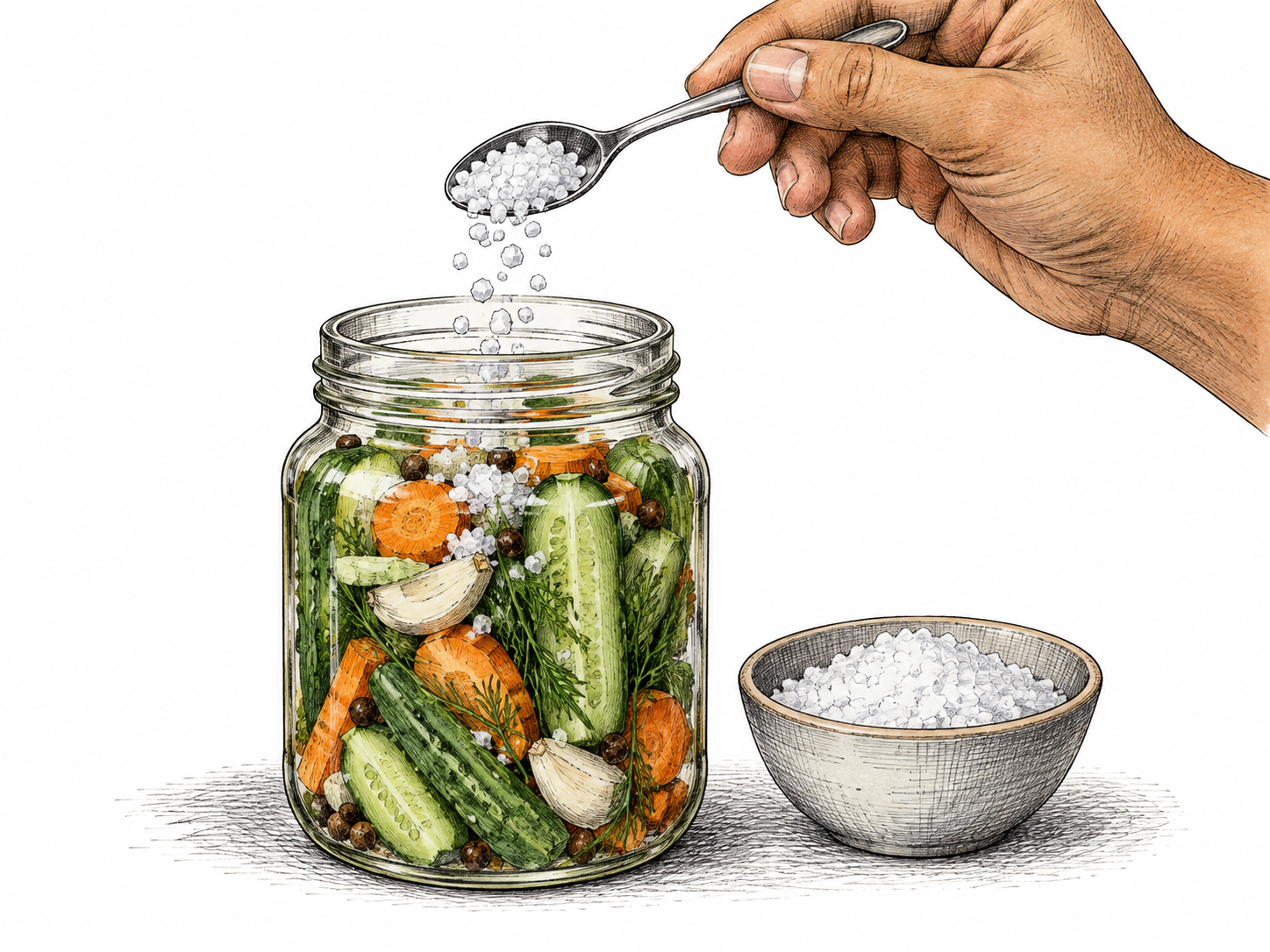
Salt acts as a preservative by slowing spoilage in food.
Etymology
The pieces express ‘tending to guard beforehand.’ The adjective meaning ‘protective’ became a noun for something that keeps things safe, including a substance added to prevent spoilage.
In context
ethyl Mercury which is a soluble form of mercury and it's put in there as a preservative because we want to have multi-use vials where you can it keeps it sterile
More examples
- This bread contains no artificial preservatives.
- We treat the fence with a wood preservative to prevent rot.
- The preservative effects of drying help fruit last longer.
Forms
preservative · preservatives
preserve verb — To protect from decay, damage, or loss.
preservation noun — The act of preventing decay or loss.
Similar words
- antioxidant
- Prevents damage from oxidation rather than every kind of decay.
- antimicrobial
- Stops microbial growth but does not prevent all spoilage.