DictionaryRoot: -s
English
-s
in a particular way or direction
Forms
- -s
- -es — An older fuller form of this English ending.
Origin
From the Old English ending used for possession and related relationships; some such forms developed into words describing time or manner.
Note
This historical ending is different from the ordinary plural -s, even though they now look alike.
57 / 58
noun
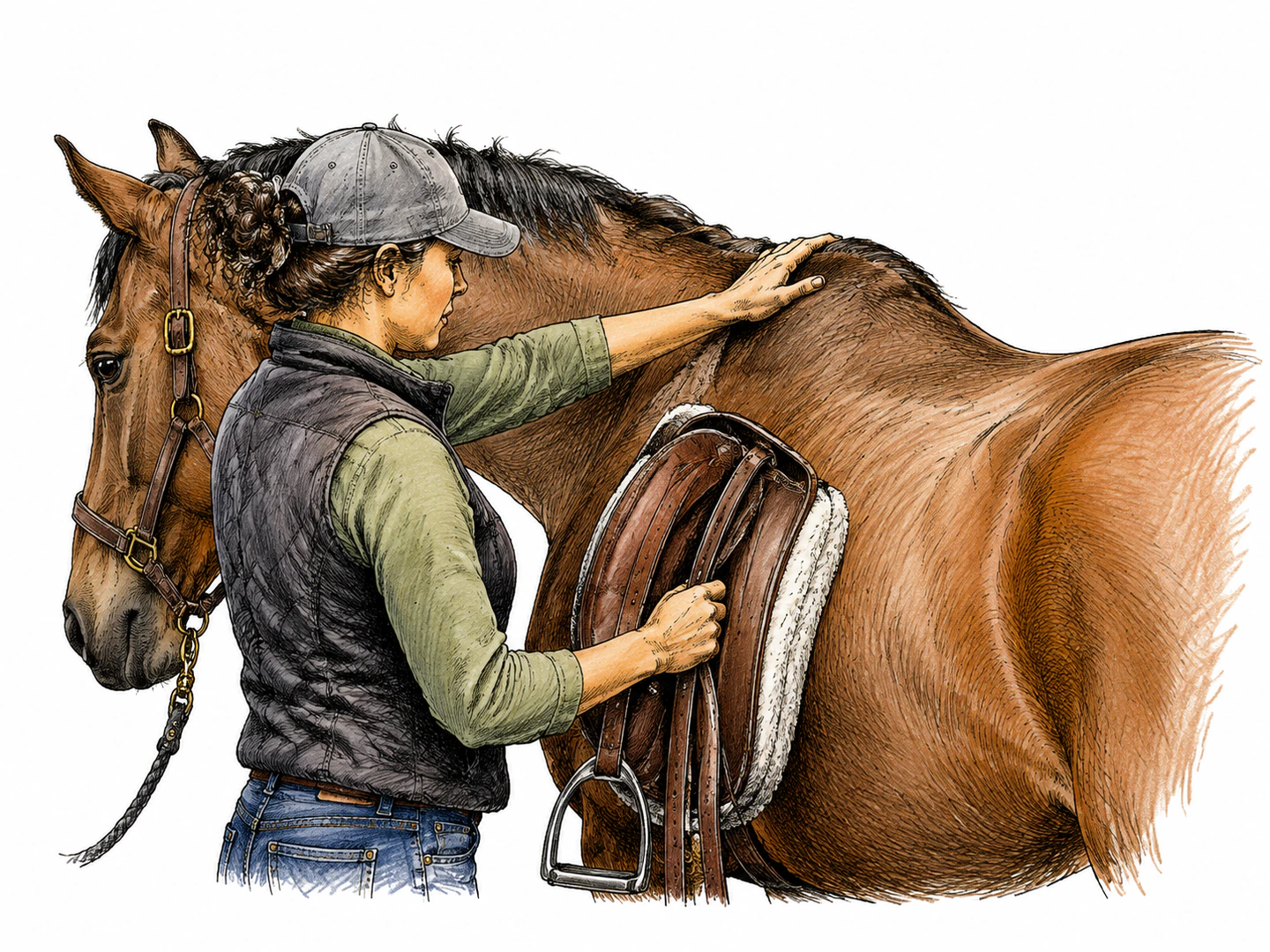
withers
WITH-erz/ˈwɪðərz/
The ridge between a horse's shoulder blades.
Etymology
The name probably combines “against” with a plural ending. It is usually explained as naming the part of the animal that opposes the load, connecting the shoulder ridge with resistance to a burden.
Related word entries
- always
- annals
- auspices
- backwards
- banns
- billiards
- blues
- bodice
- checkers
- cheers
- chintz
- credentials
- crossroads
- dregs
- ethics
- folks
- gallows
- giblets
- goods
- grits
- guts
- heroics
- jodhpurs
- manners
- marbles
- marksman
- masses
- means
- measles
- molasses
- morals
- mumps
- news
- nuptials
- odds
- oftentimes
- pantaloons
- pincers
- quarters
- quits
- regards
- savings
- shears
- shucks
- smithereens
- spectacles
- sundries
- taps
- teens
- thanks
- tights
- togs
- tongs
- trousers
- trunks
- vitals
- withers
- works