noun
ablation
uh-BLAY-shun/əˈbleɪʃn/
The removal or destruction of material from a surface or body.
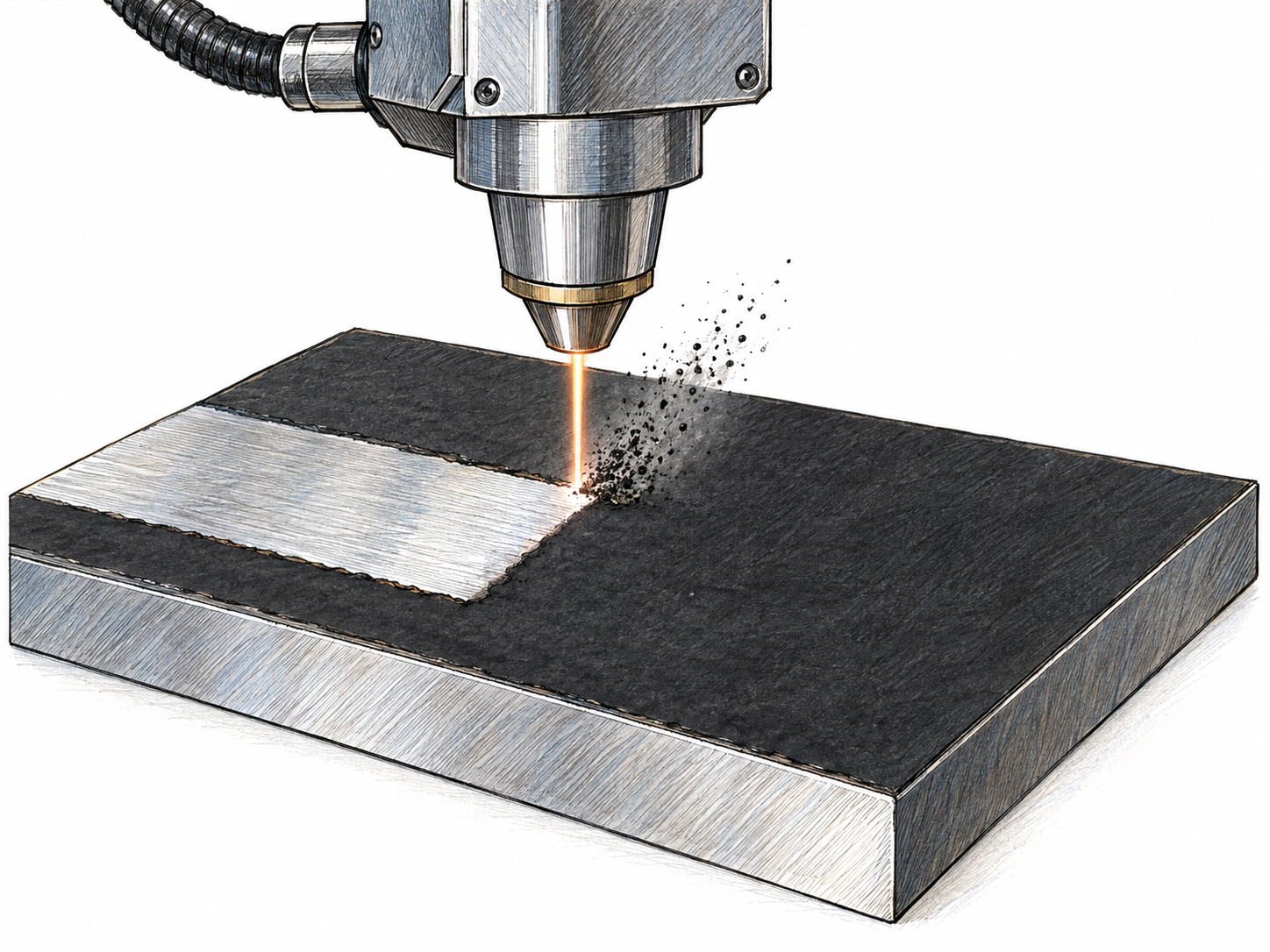
Laser ablation removes the dark coating and exposes the metal beneath.
Etymology
The pieces express an act of “carrying away.” This removal sense underlies medical ablation: tissue or other material is taken away, including by destroying it rather than physically lifting it off.
In context
cryotherapy is freezing the tumor and then radiofrequency ablation is putting a probe in the tumor and basically heating it to destroy the tissue
More examples
- The surgeon explained the planned tissue ablation.
- Heat caused ablation of the spacecraft's protective surface.
- The study compares rates of ice ablation at different elevations.
Forms
ablation · ablations
Similar words
- erosion
- Usually means gradual wearing away through natural processes.
- excision
- Specifically removes tissue by cutting it out.