DictionaryRoot: ab-
Latin

ab-

away, off, from

Forms

  • ab-
  • abs- — Expanded Latin form, especially before t.
  • a- — Shortened in some Latin compounds.

Origin

Reconstructed Proto-Indo-European *apo, ‘away; off.’

Note

The Greek prefix apo- is a relative from the same older source, not a borrowing from Latin.

10 / 49
verb

abjure

ub-JOOR/əbˈdʒʊr/

To formally give up or solemnly reject something.

The woman solemnly abjures gambling as she cuts up her playing cards.
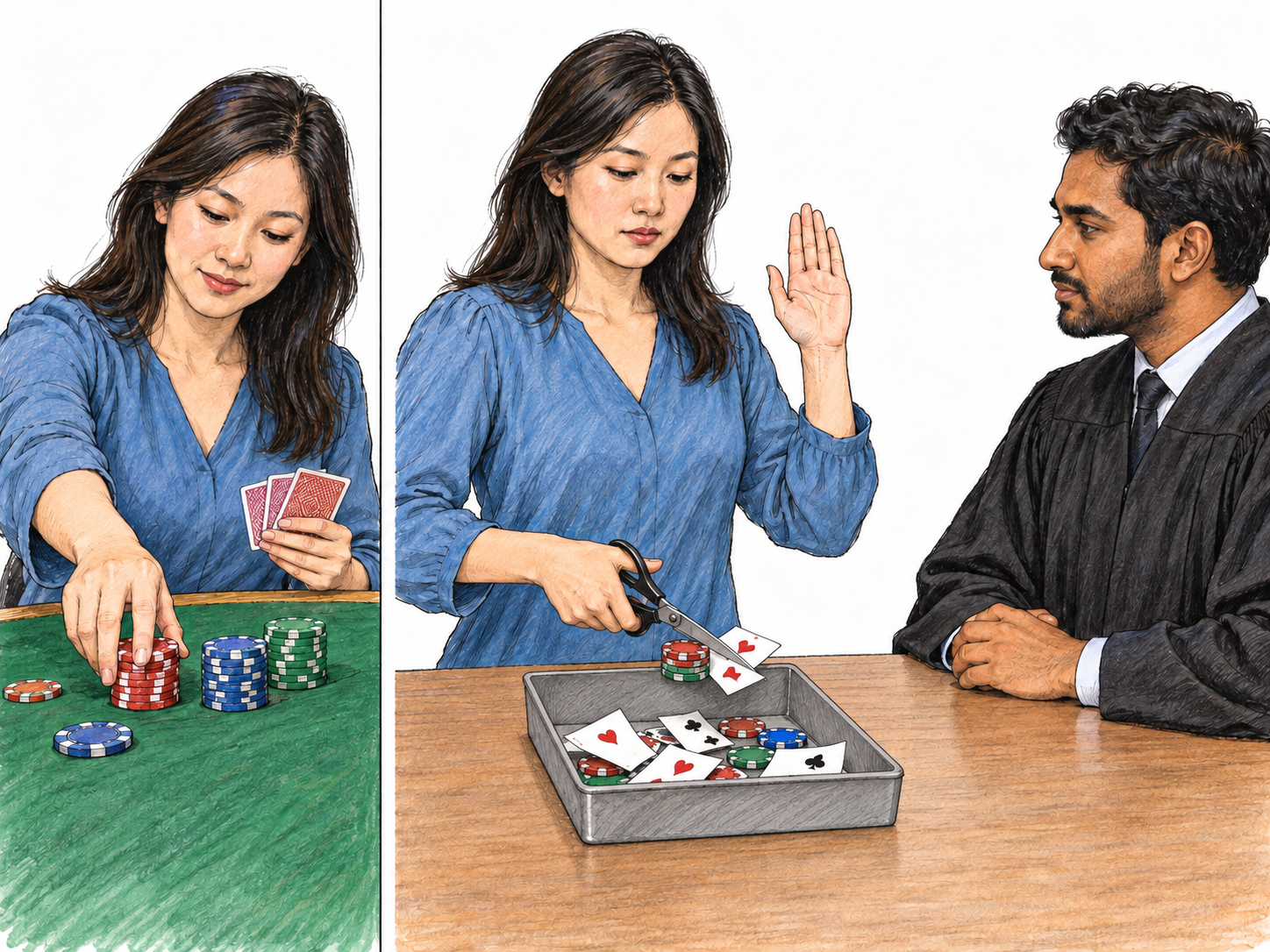
A compact before-and-renunciation diptych shows a woman giving up gambling through an emphatic, witnessed oath: first actively wagering, then cutting up her playing cards while raising her other hand before a judicial witness.
Etymology

“Away” and “swear” express rejecting something under oath. Originally used especially for formally recanting a heresy, abjure also means solemnly giving up a belief, claim, or practice.

In context

Libranima209:09
But rather clinging to a cureless woe, All hope do I abjure for evermore.
Don Quixote - Cervantes (Illustrated Audiobook) Part 1 of 4

More examples

  • She refused to abjure her beliefs under pressure.
  • The witness formally abjured his earlier allegiance.
  • He signed a statement abjuring the use of force.

Forms

abjure · abjures · abjured · abjuring

Similar words

renounce
Gives something up formally without necessarily a solemn oath.
recant
Withdraws a previously expressed belief or statement.