DictionaryRoot: des-
Old French
des-
away, apart; undoing or absence
Forms
- des-
- de- — The s disappeared in some later French forms.
- dis- — A related form retained or restored in some words.
Origin
Chiefly from Latin dis-, “apart,” with influence from Latin de-, “down, away.”
Note
Several older prefixes came together in French, so the modern form does not always reveal just one source.
22 / 37
noun / verb
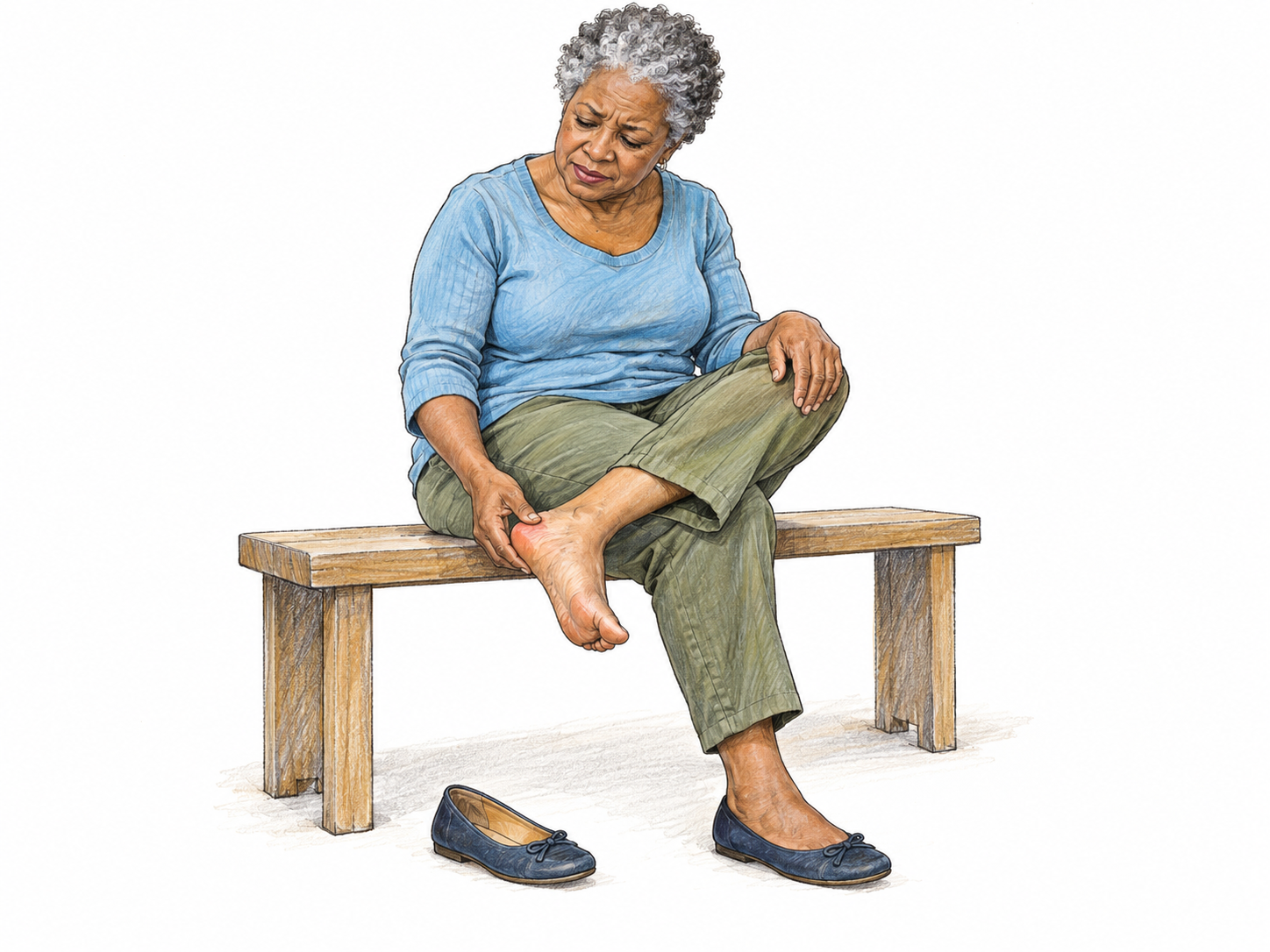
discomfort
dis-KUM-fert/dɪsˈkʌmfərt/
Physical or mental unease.
Etymology
The core is “strong,” with com- perhaps adding emphasis; dis- reverses that strengthening. The word moved from loss of courage or distress to the milder sense of physical or emotional unease.
Related word entries
- debark
- degradation
- degrade
- demise
- denouement
- deranged
- derangement
- detach
- detour
- develop
- disadvantage
- disagree
- disagreeable
- disallow
- disarm
- disavow
- disburse
- disclaim
- disclaimer
- disclose
- discomfiture
- discomfort
- discourage
- disdain
- disease
- disguise
- disheveled
- dishonesty
- dislodge
- disloyal
- disloyalty
- disparage
- disparagement
- dispossess
- disprove
- divest
- redevelop