proper noun / noun
congress
KAHNG-gruhs/ˈkɑːŋɡrəs/
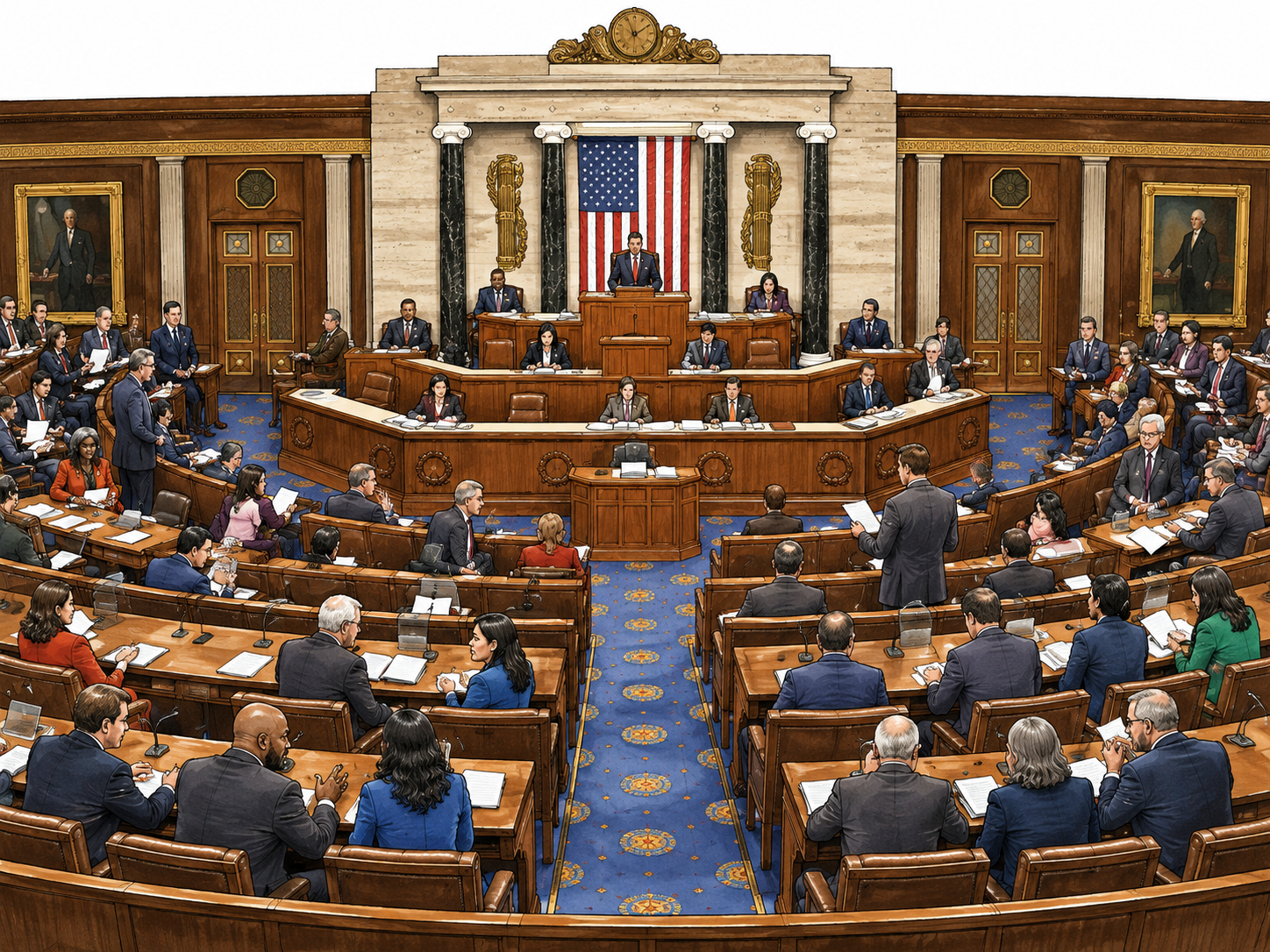
An assembly of representatives deliberating on shared affairs.
Congress debates a bill to improve roads and bridges.
Etymology
Stepping together gives the image of people meeting. The word narrowed from a general meeting to a formal assembly of delegates, then became the name of the American national legislature.
In context
In the first Congress after the ratification of the 19th amendment, three women sat in the House of Representatives.
More examples
- Delegates at the annual congress vote on new rules.
- The union holds a congress to discuss working conditions.
- Both houses of Congress must approve the bill.
Forms
congress · congresses
congressional adjective — relating to Congress or a congress
Similar words
- assembly
- A broader term for a gathering, not necessarily of representatives.
- convention
- Usually a scheduled gathering of political, professional, or organizational delegates.
- legislature
- Specifically a lawmaking body, rather than any representative gathering.