noun
convulsion
kun-VUL-shun/kənˈvʌlʃn/
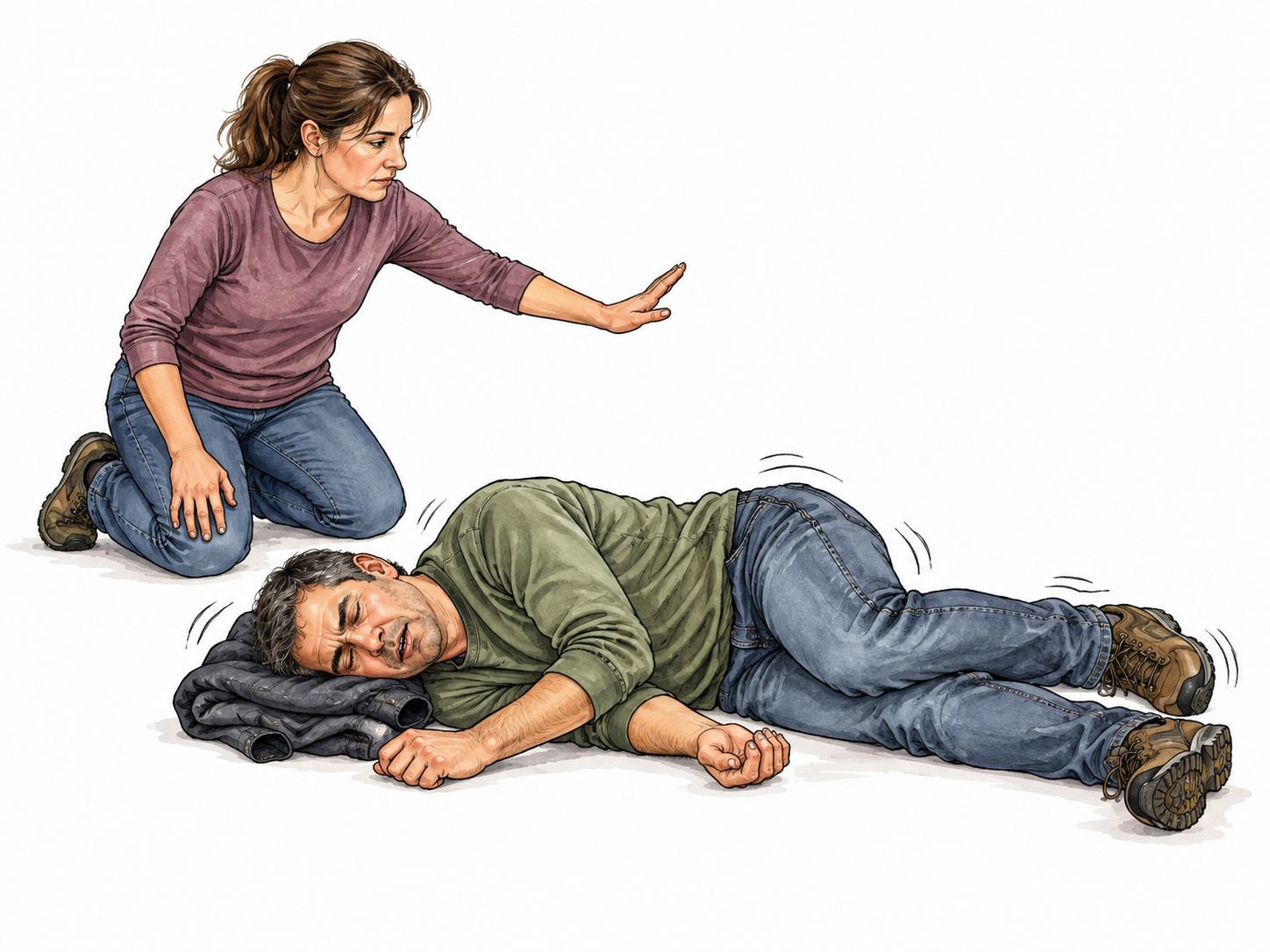
A sudden uncontrolled violent movement.
A sudden convulsion shakes his body as the nurse approaches.
Etymology
The pieces underlie a Latin verb meaning “to tear loose,” giving convulsion an image of violent pulling. The noun described involuntary muscular contractions before extending to violent turmoil in a society or group.
In context
His face worked, as though in convulsion.
More examples
- The child has convulsions during a high fever.
- Her arms jerk with each convulsion.
- The war throws the region into political convulsions.
Forms
convulsion · convulsions
convulse verb — To shake with sudden, uncontrolled movements.
convulsive adjective — Involving sudden, violent, involuntary muscle movements.
Similar words
- spasm
- Can involve a single muscle and need not be violent.
- seizure
- An episode of abnormal brain activity that may cause convulsions.