DictionaryRoot: -atus
Latin
-atus
having or having undergone something
Forms
- -atus
- -at- — The form used before further Latin endings.
- -ate — An English development of the Latin ending.
Origin
Latin -atus was commonly formed from verbs ending in -are; it also formed descriptions from nouns.
Note
It can express either the result of an action or possession of a feature.
56 / 97
adjective
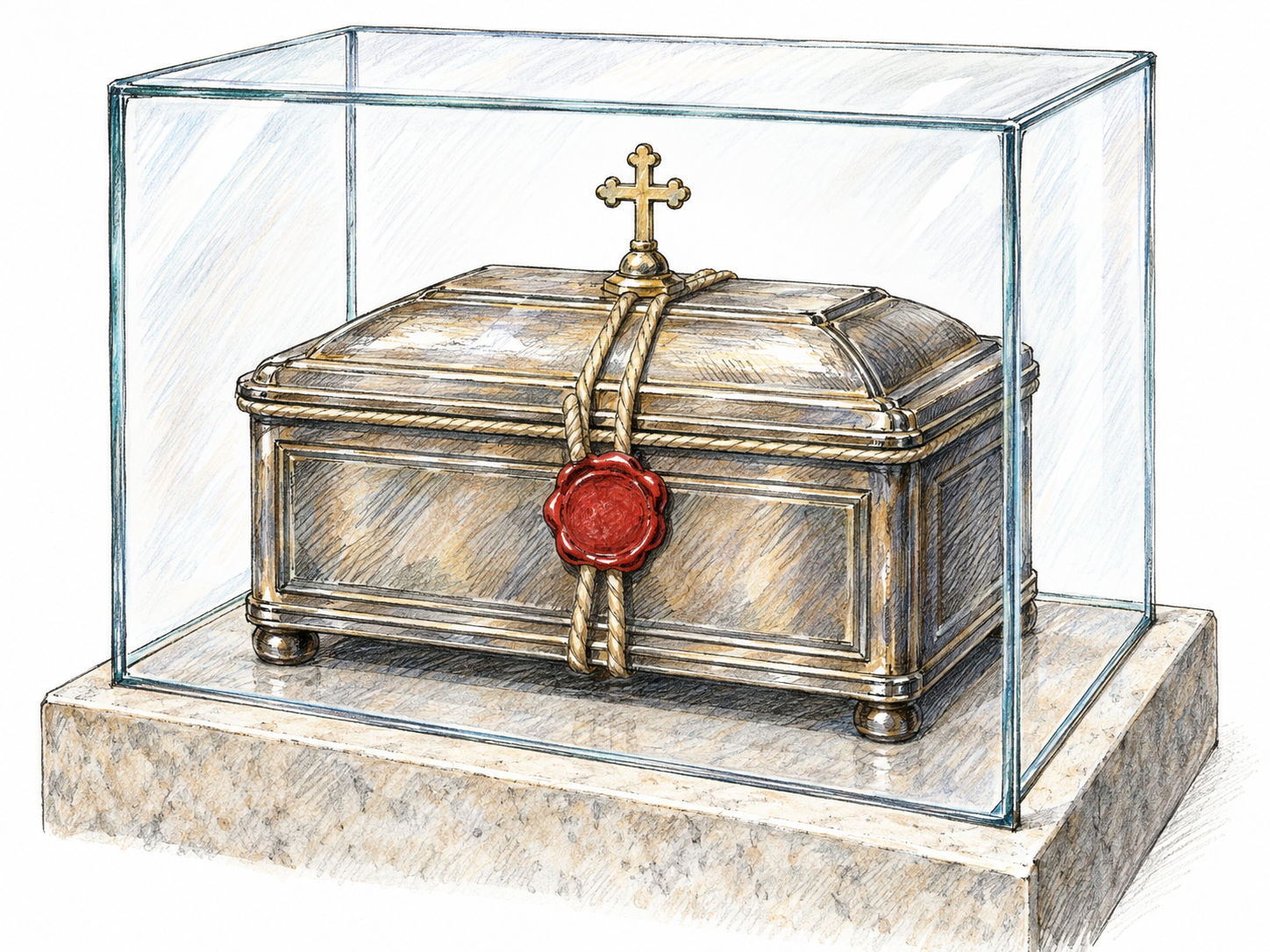
inviolate
in-VY-uh-lut/ɪnˈvaɪələt/
Kept safe from harm or violation.
Etymology
The pieces describe something that has not been injured or dishonored. The Latin meaning “unhurt” connects physical intactness with the selected sense of remaining sacred or untouched.
Related word entries
- affiliate
- aggregate
- animate
- annihilate
- appellate
- celebrate
- circulate
- coagulate
- commensurate
- compensate
- complicate
- concatenate
- confiscate
- conjugate
- consulate
- consummate
- contemplate
- corporate
- degenerate
- denigrate
- depreciate
- designate
- desperate
- deviate
- differentiate
- discriminate
- effeminate
- elaborate
- elongate
- emancipate
- emasculate
- eradicate
- evaporate
- eviscerate
- exculpate
- exonerate
- exterminate
- flagellate
- graduate
- immolate
- incarcerate
- incarnate
- incinerate
- inconsiderate
- incorporate
- infuriate
- innovate
- inoculate
- inseminate
- insulate
- integrate
- intimate
- intimidate
- inveterate
- invigilate
- inviolate
- isolated
- laureate
- legitimate
- liberate
- literate
- literati
- litigate
- lubricate
- magistrate
- moderate
- negotiate
- novitiate
- obliterate
- opiate
- ornate
- participate
- particulate
- passionate
- permeate
- populate
- potentate
- precipitate
- proportionate
- proximate
- radiate
- repatriate
- retaliate
- ruminate
- secretariat
- separate
- sophisticate
- stimulate
- subjugate
- supplicate
- suppurate
- temperate
- terminate
- triumvirate
- undulate
- vacate
- vertebrate