noun
explosion
ik-SPLOH-zhuhn/ɪkˈspləʊʒn/
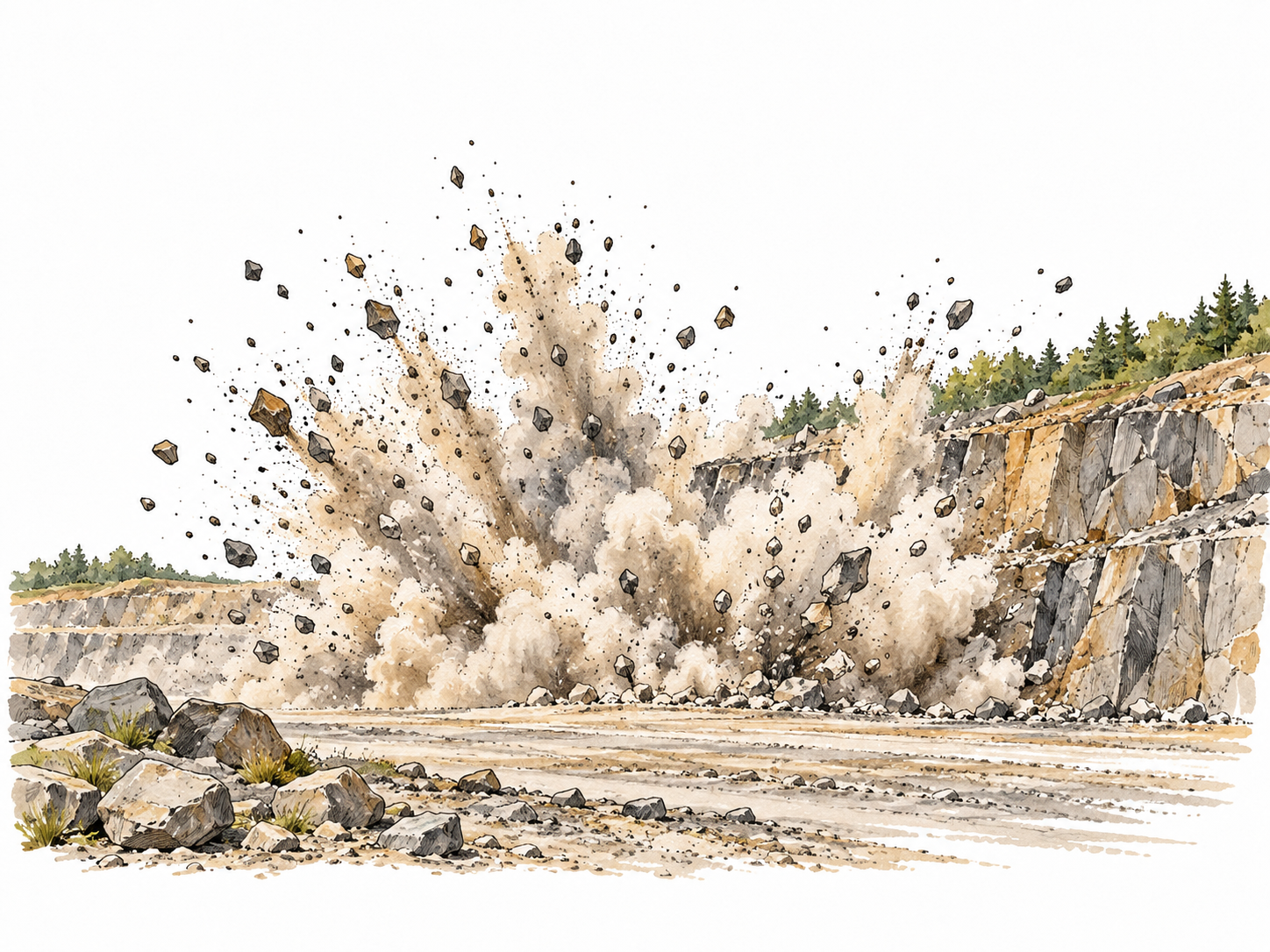
A sudden, forceful burst of energy.
The explosion shakes nearby buildings and sends smoke into the sky.
Etymology
The roots evoke driving someone out by clapping or making noise, originally an audience rejecting a performer. The meaning shifted through violent, noisy expulsion to a sudden bursting or going off.
In context
A violent explosion ripping through the parking garage on that day
More examples
- A gas leak caused an explosion in the basement.
- Workers use controlled explosions to break apart rock.
- Firefighters warn that the damaged tank could cause another explosion.
Forms
explosion · explosions
explode verb — To burst suddenly and with force.
explosive adjective — Capable of causing a sudden, violent burst.
Similar words
- blast
- Often emphasizes the destructive pressure or force released.
- detonation
- Specifically involves an explosive reaction driven by a shock wave.
- burst
- Can describe a sudden break without a violent release of energy.