DictionaryRoot: in-
Latin
in-
not; without
Forms
- in-
- im- — Used before b, m, or p in Latin.
- il- — Used before l in Latin.
- ir- — Used before r in Latin.
Origin
Reconstructed Proto-Indo-European *n̥-, the unstressed negative form associated with *ne, ‘not.’
Note
Unrelated to the Latin in- meaning ‘in’ or ‘into,’ despite their matching forms.
215 / 253
adjective
intact
in-TAKT/ɪnˈtækt/
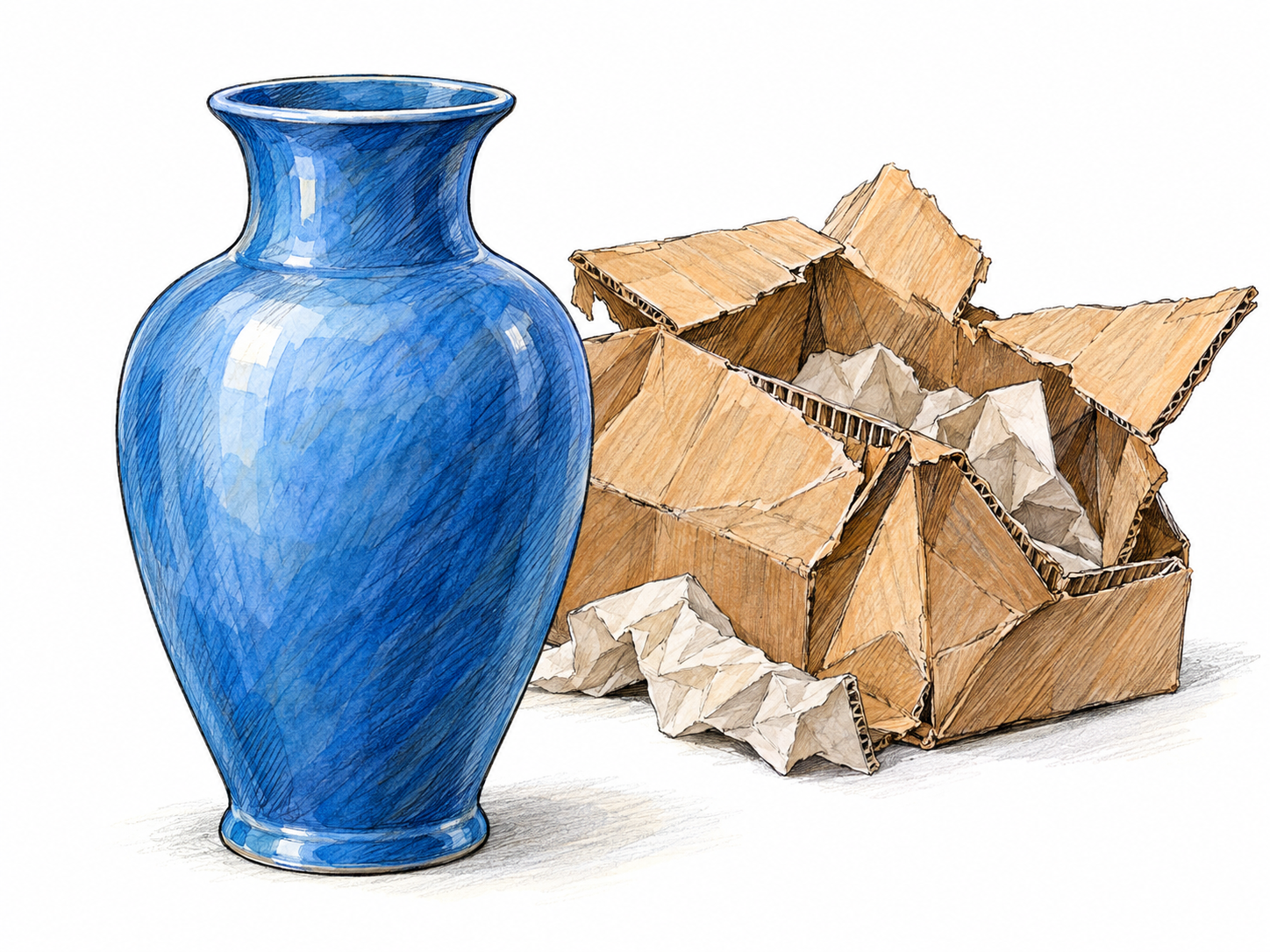
Remaining whole and undamaged.
Etymology
The pieces express “not touched.” The image of something left untouched connects directly to being uninjured or undamaged, with its wholeness preserved.
Related word entries
- enemy
- entire
- entirety
- ignoble
- ignominious
- ignominy
- illegal
- illegitimate
- illicit
- illiterate
- immaculate
- immaterialNot relevant
- immaterialWithout physical substance
- immature
- immaturity
- immeasurable
- immediate
- immemorial
- immense
- immensity
- immobile
- immobility
- immoderate
- immodestRevealing the body
- immodestExcessive self-regard
- immodestyLack of humility
- immodestyIndecency
- immortal
- immortality
- immovable
- immune
- immunity
- immutability
- immutable
- impatience
- impatiens
- impatient
- impeccable
- impecunious
- impenetrable
- imperceptible
- imperfectFlawed or incomplete
- imperfectOngoing or habitual past action
- imperfection
- impermeable
- impersonal
- impertinenceRude boldness
- impertinenceLack of relevance
- impertinentIrrelevant
- impertinentDisrespectful
- impervious
- impious
- implacability
- implacable
- impolite
- importune
- impossible
- impotent
- impregnable
- improper
- improvisation
- improvise
- imprudence
- imprudent
- impudence
- impudent
- impunity
- impure
- impurity
- inaccessible
- inadequate
- inadvertence
- inanimate
- inarticulate
- inaudible
- incapable
- incapacity
- incessant
- inclement
- incognitoPrivate browsing
- incognitoConcealed identity
- incommunicado
- incomparable
- incompatible
- incompetent
- incomplete
- incomprehensible
- incongruity
- incongruous
- inconsiderate
- inconsideration
- inconsolable
- inconspicuous
- inconstant
- incontinent
- inconvenient
- incorporeal
- incorrect
- incorrigible
- incorruptibility
- incorruptible
- incredible
- incredulity
- incredulous
- incurable
- indecency
- indecent
- indecorous
- indefatigable
- indefinite
- indelible
- indemnity
- independence
- independent
- indeterminate
- indifference
- indifferentLack of interest or preference
- indifferentUnremarkable quality
- indigestible
- indigestion
- indignant
- indignation
- indignity
- indirect
- indiscreet
- indiscretion
- indispensable
- indisputable
- indissoluble
- indistinct
- individual
- indivisible
- indolence
- indolentAvoiding effort
- indolentMild medical course
- indomitable
- indubitable
- ineffable
- inefficiency
- inelegant
- ineluctable
- inept
- ineptitude
- inequality
- inert
- inertia
- inestimable
- inevitable
- inexcusable
- inexorable
- inexperience
- inexplicable
- infallibility
- infallible
- infamous
- infamy
- infancy
- infant
- infantile
- infertile
- infertility
- infidel
- infidelity
- infinite
- infinitesimal
- infinitive
- infinity
- infirm
- infirmary
- infirmity
- inflexible
- informal
- infrequent
- ingrate
- ingratitude
- inhospitable
- inhuman
- inhumane
- inhumanity
- inimical
- inimitable
- iniquity
- injurious
- injury
- injustice
- innocence
- innocent
- innocuous
- innumerable
- inopportune
- inordinate
- insane
- insanity
- insatiable
- inscrutable
- insecure
- insecurity
- insensate
- insensibleUnconscious
- insensibleImperceptible
- inseparable
- insincere
- insipid
- insolence
- insolent
- insolubleNot dissolvable
- insolubleNot solvable
- insolvent
- insomnia
- instability
- insubstantial
- insufficient
- insuperable
- insupportable
- intact
- intangible
- integer
- intemperance
- intemperate
- interminable
- intolerable
- intolerancePhysical sensitivity
- intoleranceRejection of differences
- intolerantUnaccepting of differences
- intolerantPhysical sensitivity
- intractable
- intransigence
- intransigent
- intransitive
- intrepid
- invalidLack of validity
- invalidPhysical weakness
- invariable
- invertebrate
- invincible
- inviolable
- inviolate
- invisibility
- invisible
- involuntary
- invulnerable
- irrationalNumber outside integer ratios
- irrationalWithout reason
- irrecoverable
- irrefutable
- irregular
- irregularity
- irreligious
- irreparable
- irresistible
- irreverence
- irreverent
- irrevocable