noun / adjective
animal
AN-ih-mul/ˈænɪml/
A living organism that feeds on other organic matter.
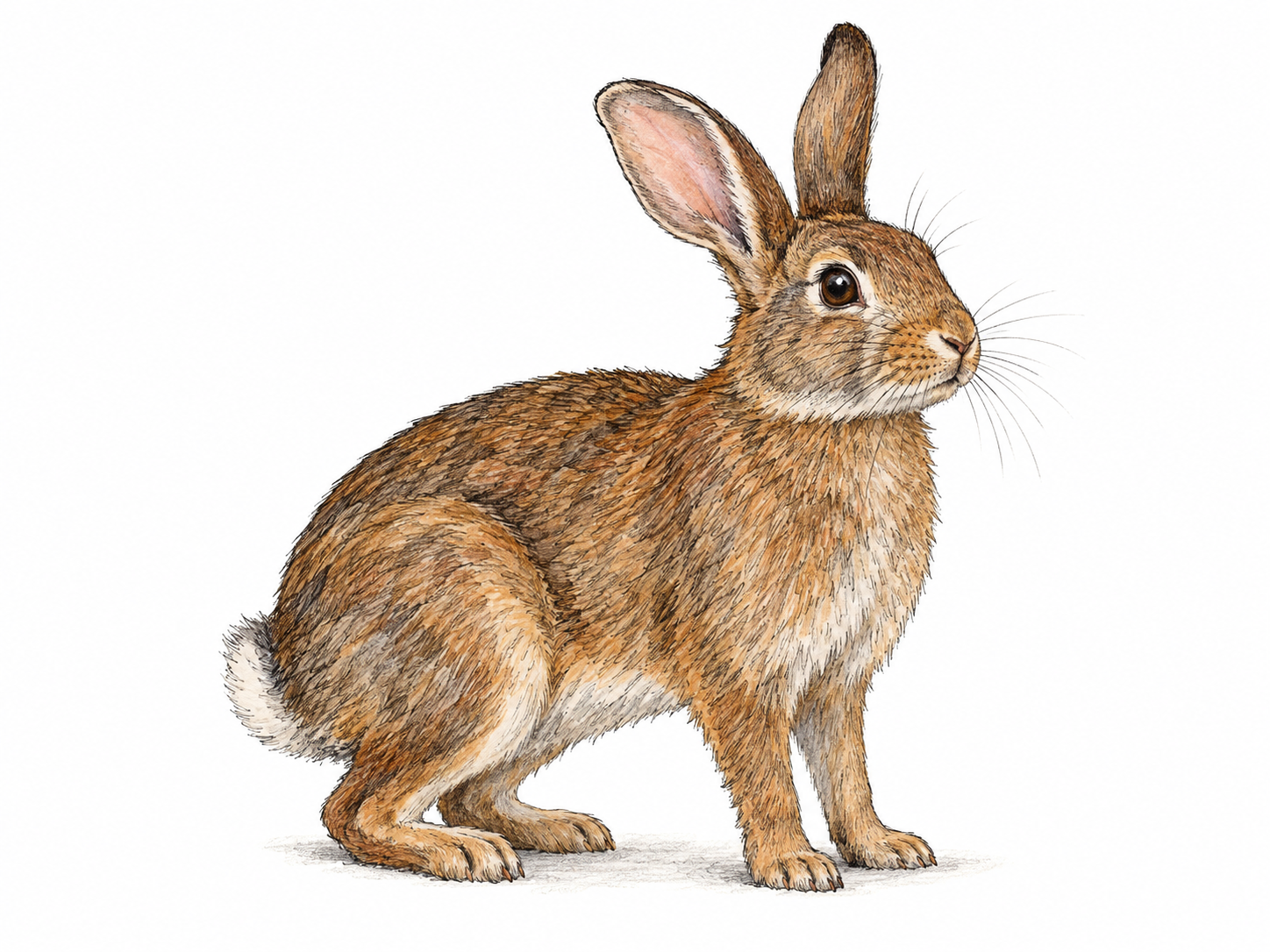
The alert animal stands on four paws with its ears raised.
Etymology
Breath supplies the original image: the Latin formation meant a living or breathing being. The noun thus named a sentient creature, including a human.
In context
the animal is a tireless traveler when looking for food
More examples
- The biologist observes how the animals search for food.
- Fear awakens a basic animal instinct to flee.
- The report compares plant and animal cells.
Forms
animal · animals
Similar words
- creature
- A less technical term that can include imaginary beings.
- organism
- Broader; includes plants and other living things outside the animal group.