adjective
marginal
MAR-jih-nul/ˈmɑːrdʒɪnl/
Resulting from one extra unit or a small increase.
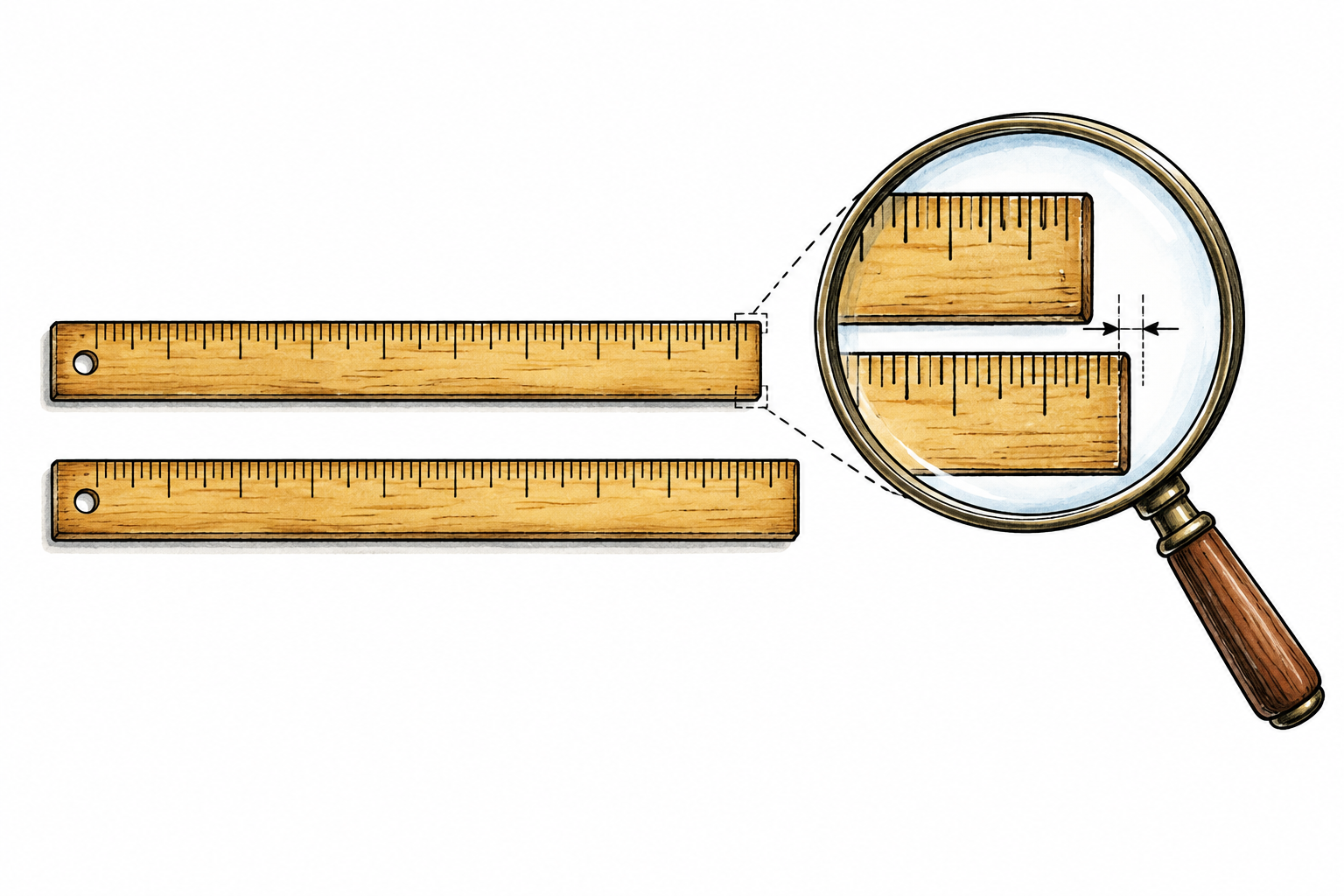
The additional sliver produces a marginal increase in the bar's length.
Etymology
The pieces mean “relating to an edge.” Originally used for writing at the edge of a page, marginal later described something of little importance or effect rather than something central.
In context
i have this strategy called the aggregation of marginal gains and the way that he described it was the one percent improvement in nearly everything that you do
More examples
- Selling one extra ticket brings in marginal revenue of twenty dollars.
- We compare the marginal benefit of another worker with the added wages.
- The marginal utility of each additional cookie tends to decrease.
Similar words
- incremental
- Describes changes made in steps, not necessarily per extra unit.
- additional
- Means extra overall, without specifying the effect per unit.