DictionaryRoot: -alis
Latin

-alis

of, relating to

Forms

  • -alis
  • -aris — Latin variant especially used when the stem already contained l, avoiding a repeated l sound.
  • -al — English ending borrowed through French or directly from Latin.
  • -ar — English ending continuing Latin -aris.

Origin

An older Latin adjective-forming suffix; its more remote ancestry is uncertain.

Note

Expresses a relationship without specifying its kind: material, place, purpose, and other connections are possible.

216 / 291
adjective

primordial

pry-MOR-dee-ul/praɪˈmɔːrdiəl/

Existing from the very beginning in an original or basic state.

Steaming volcanic rocks and shallow water form the primordial coastline.
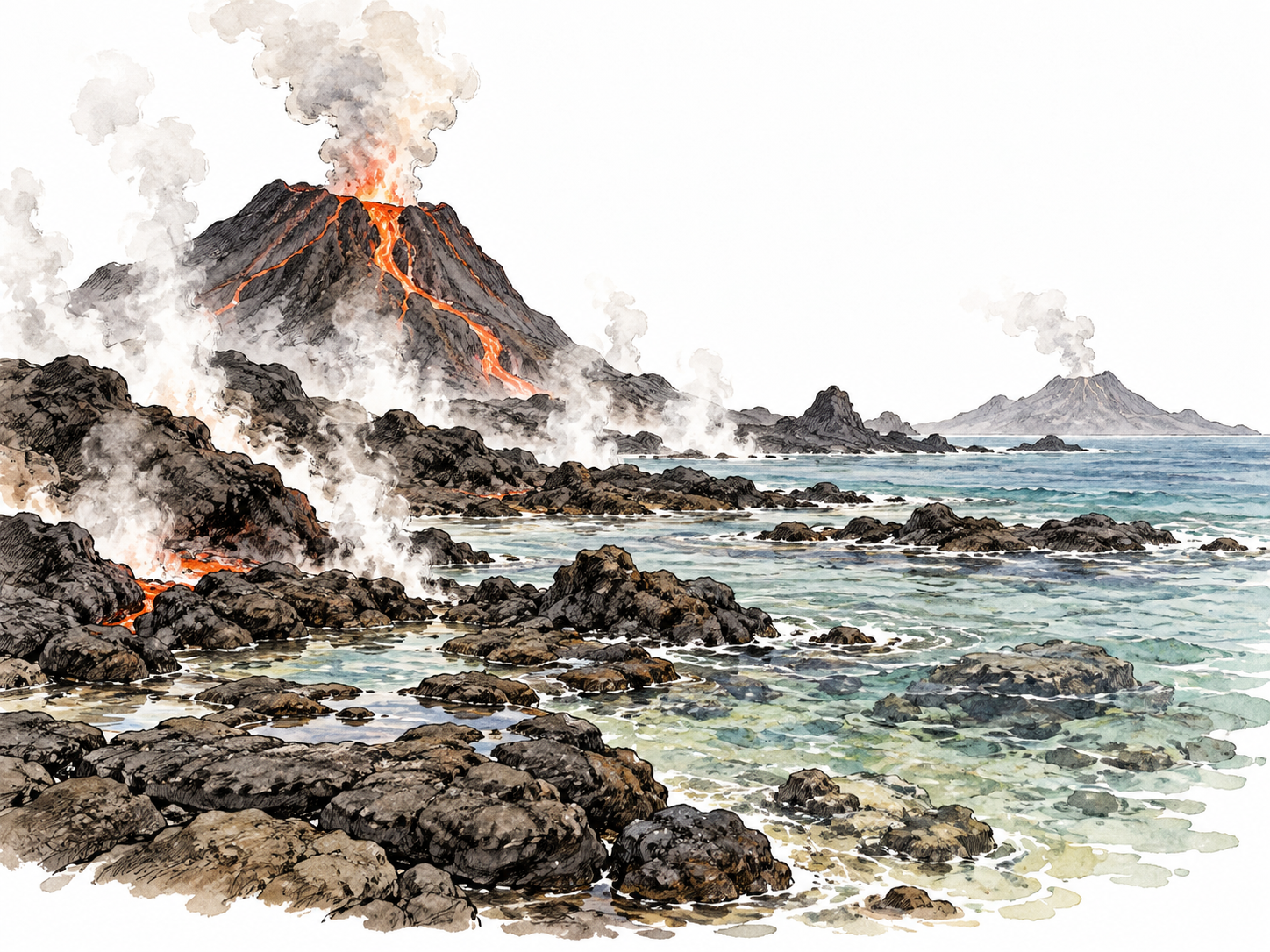
A primeval coastline with steaming volcanic rocks and shallow water, no humans.
Etymology

“First” and “to begin” combine in the idea of an original beginning. Primordial moved from describing what pertains to that beginning to what has existed from it.

In context

This Jungian Life73:20
primordial cow goddesses or goddesses that are associated with cows. There's Hathor in Egyptian mythology. In Norse mythology, there's a cow whose name is Audumbla, and she is associated with uh a the creation myth.
Trickster, Tempter, Teacher: The Devil in Depth Psychology

More examples

  • Life may have first emerged in Earth's primordial oceans.
  • Some meteorites preserve primordial material from the solar system's formation.
  • The story taps into a primordial fear of darkness.

Forms

primordial

Similar words

primeval
Emphasizes the earliest ages, especially of the natural world.
primitive
Emphasizes an early, undeveloped state rather than the very beginning.
original
Identifies the initial state or version, not necessarily something ancient.