adjective
eternal
ih-TUR-nuhl/ɪˈtɜːrnl/
Lasting or seeming to last forever.
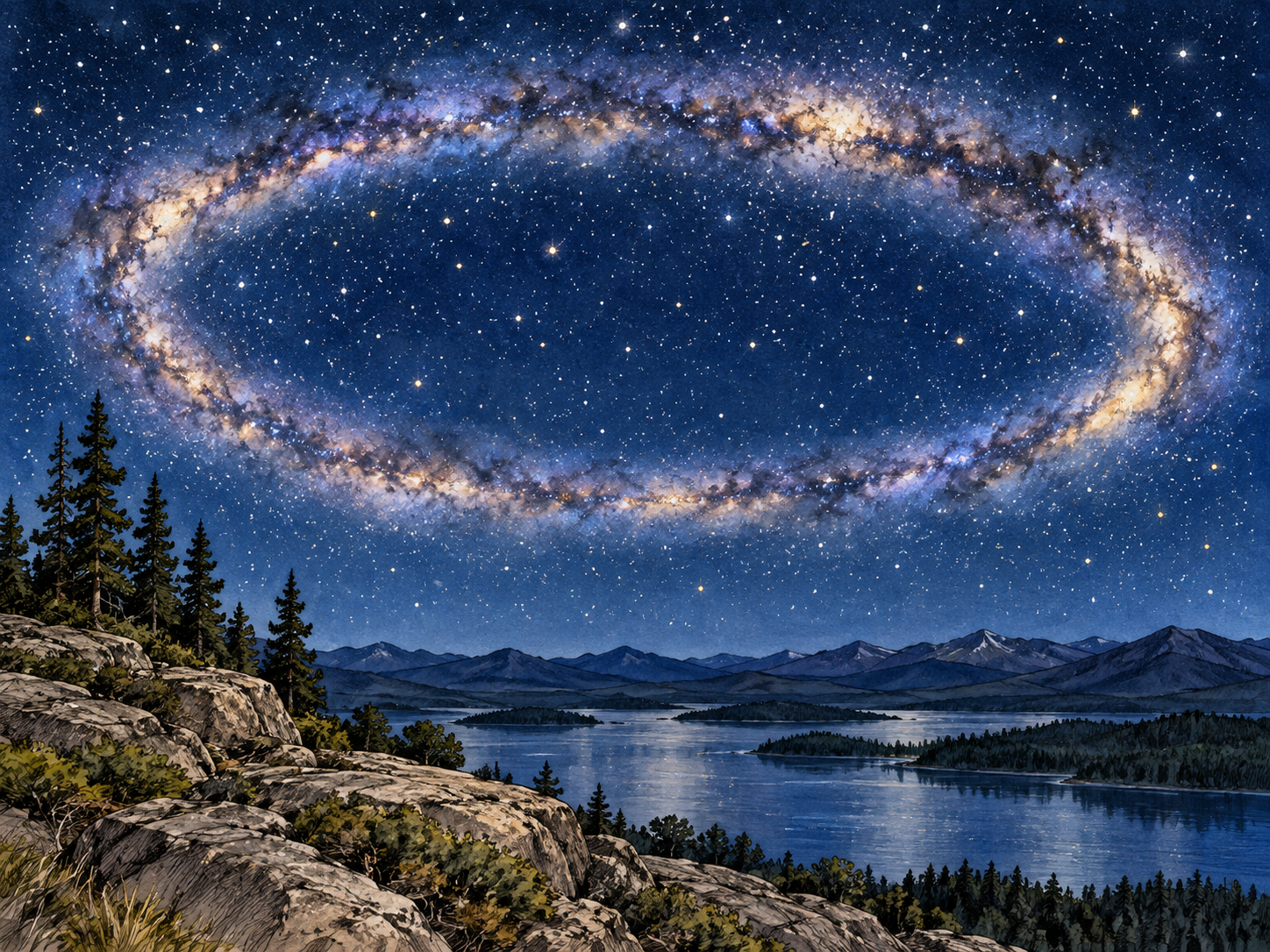
The unbroken circle of stars suggests an eternal cycle without an end.
Etymology
Latin aeternus meant “enduring” or “everlasting” and traces back to an expression meaning “of great age.” Eternal carries that idea of duration to its limit: lasting without end.
In context
for here we have no lasting city and right or reminding them you know what we don't I don't have anything here you know that that's gonna be eternal
More examples
- The wait for our test results feels eternal.
- Many religions promise eternal life after death.
- The poem describes an eternal winter with no sign of spring.
Forms
eternal
eternity noun — Time without any beginning or end.
eternally adverb — Forever or for a seemingly endless time.
Similar words
- everlasting
- Emphasizes lasting forever, especially without fading or wearing out.
- endless
- Often describes something with no visible stopping point.
- perpetual
- Emphasizes uninterrupted continuation or recurrence rather than timeless existence.